)
)
)
-
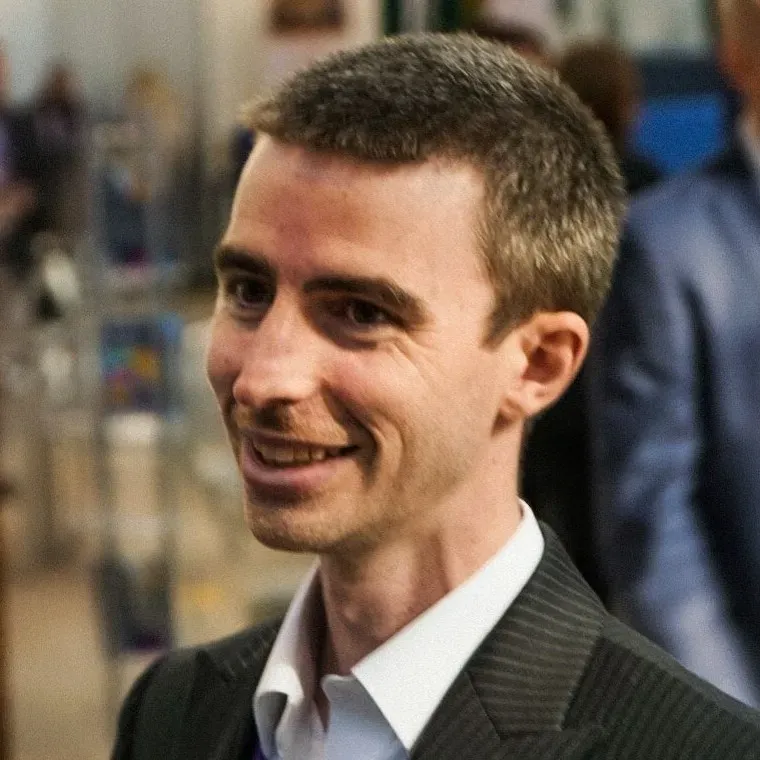
Public safety doesn’t stop at the front door -and neither should our maps. This presentation highlights how Geographic Information Systems (GIS) can deliver accurate, interoperable indoor maps for any critical building, from schools and campuses to government facilities, commercial sites, places of worship and large venues. GIS-based indoor mapping gives first responders a shared, real-time geospatial picture during emergencies, improving coordination, situational awareness and response times across dispatch and field teams.
The benefits extend well beyond crisis response. Indoor maps support pre-incident planning, evacuation design, security assessments, and the identification of radio and cellular dead zones. Post-incident, they enable deeper analysis and operational learning. By scaling indoor mapping across high-risk and high-occupancy buildings, communities can significantly strengthen safety and maximise return on investment.
Attendees will gain a clear understanding of how GIS-driven indoor mapping enhances public safety before, during and after emergencies- and why now is the moment to build these capabilities at scale.Chairperson




-
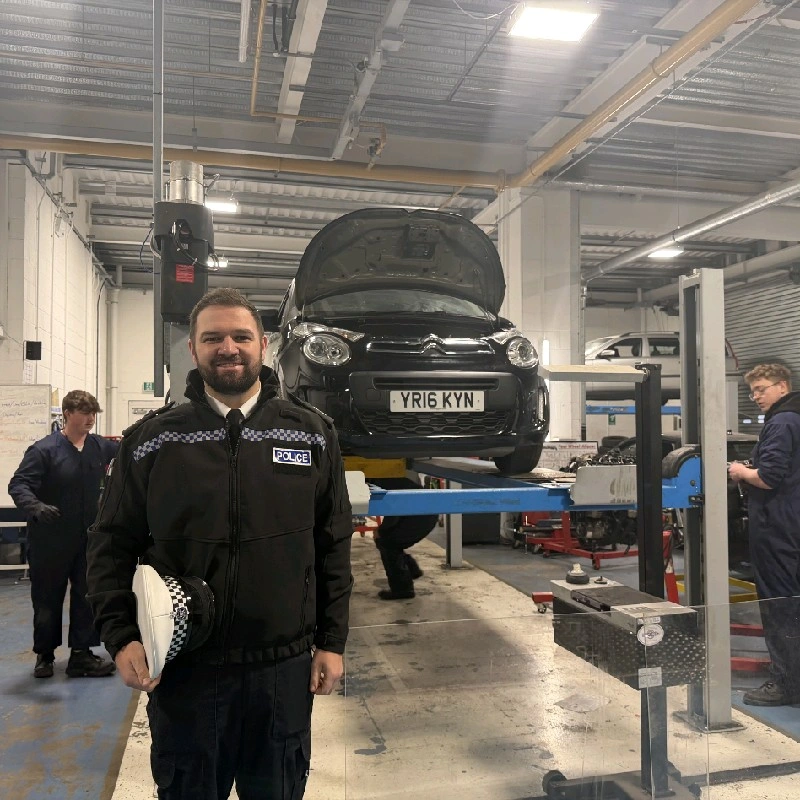
Cumbria Police is leading a pioneering approach to road safety through a data-led strategy that harnesses the power of geospatial intelligence.
In close collaboration with Ordnance Survey and other UK police forces, this initiative focuses on identifying high-risk locations, understanding patterns of harm, and deploying targeted interventions that save lives. By combining operational insight with authoritative mapping data, the strategy enables smarter decision-making and resource allocation. It exemplifies how cross-agency collaboration and location intelligence can transform public safety, making roads safer not just in Cumbria, but across the country.
Chairperson



-
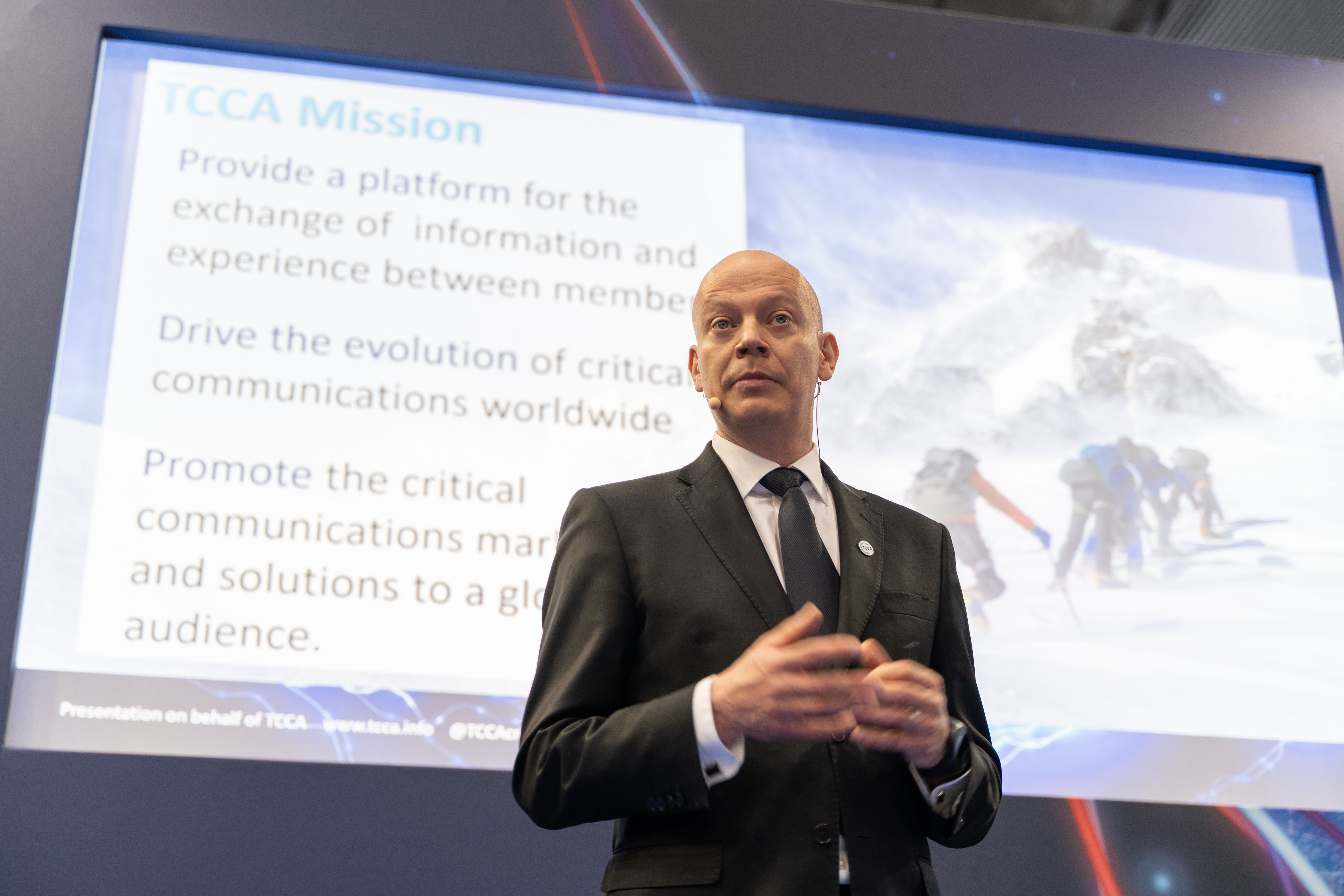
Quantum Computing is an emerging technology which IBM is at the forefront of. We are keen to demonstrate our expertise in the sector and how we can apply our work with quantum across defence, financial services, and retail to front line critical communications.
-
Integration sits at the heart of public safety operations. Historically, agencies relied on countless custom interfaces- especially for IoT tasks such as locating equipment, gathering sensor data, and remotely controlling critical infrastructure. Digital LMR systems like TETRA have long supported these functions through secure telematics. As the sector transitions to standards-based mission-critical broadband, there is a major opportunity to streamline these bespoke integrations and use MCX as a unified, secure framework for IoT data and control.
This session will outline key IoT use cases for public safety, explain core MCX capabilities, and explore practical approaches for integrating mission-critical IoT into broadband MCX environments, along with the operational benefits of doing so.

-
With decades of experience in mission-critical communications and digital innovation for UK police and fire services, Graham, Lee and Andrew will share practical insights to help you turn connectivity pilots into frontline practice.
You’ll learn how to operationalise AI and real-time intelligence, integrate connected and autonomous technologies such as drones, bodycams, smart sensors and facial recognition, and build a future-ready network supporting digital policing, mission-critical communications, and multi-agency interoperability based on secure, reliable cellular connectivity.
Expect actionable takeaways, peer case studies, and guidance to prioritise investments for maximum impact. Don’t miss this opportunity to connect with peers and chart your organisation’s path into 2026 — safely, smartly, and with confidence.
Sponsored by:Ericsson


-
Emergency services staff - from control rooms to the frontline - carry trauma that often goes unseen. Traditional support models rely heavily on talk-based therapies, but for many, repeatedly revisiting traumatic events can intensify distress rather than relieve it. This session presents alternative, evidence-based approaches that help personnel regulate their nervous systems, release tension and reconnect with resilience in practical, non-verbal ways.
Drawing on work with uniformed responders and control room teams, it showcases embodied practices such as equine-facilitated learning and nature-based recovery, which have produced immediate reductions in stress and improved emotional regulation. These case studies challenge the idea that resilience is simply endurance, instead reframing it as adaptability and recovery.
Attendees will learn why traditional trauma support often falls short, how embodied methods can restore calm more effectively, and how these approaches can be integrated into wellbeing strategies to strengthen retention, performance and long-term mental health. For the critical communications sector, supporting staff in this way directly enhances clarity, decision-making and public safety.Speakers

-
This session provides frontline insight into a staff-centred project designed to identify, assess and manage the root causes of work-related stress in control rooms. Led by psychology and human-factors specialists, the Occupational Stress Risk Assessment (OSRA) offers a proactive approach to reducing workplace stress and absence by addressing psychosocial risks before they escalate.
Drawing on collaborative OSRA projects with Fire and Rescue Services and Humberside Police, the session will share key findings, emerging themes and practical recommendations for any organisation with a control room at its core. It will highlight the most prevalent stressors in control environments, the OSRA methodology, and the operational value delivered through early intervention.
Led by experts from the University of Hull’s Centre for Human Factors, with contributions from frontline Fire and Police representatives, this session will offer tangible insights into improving wellbeing, performance and resilience across control room teams.


-
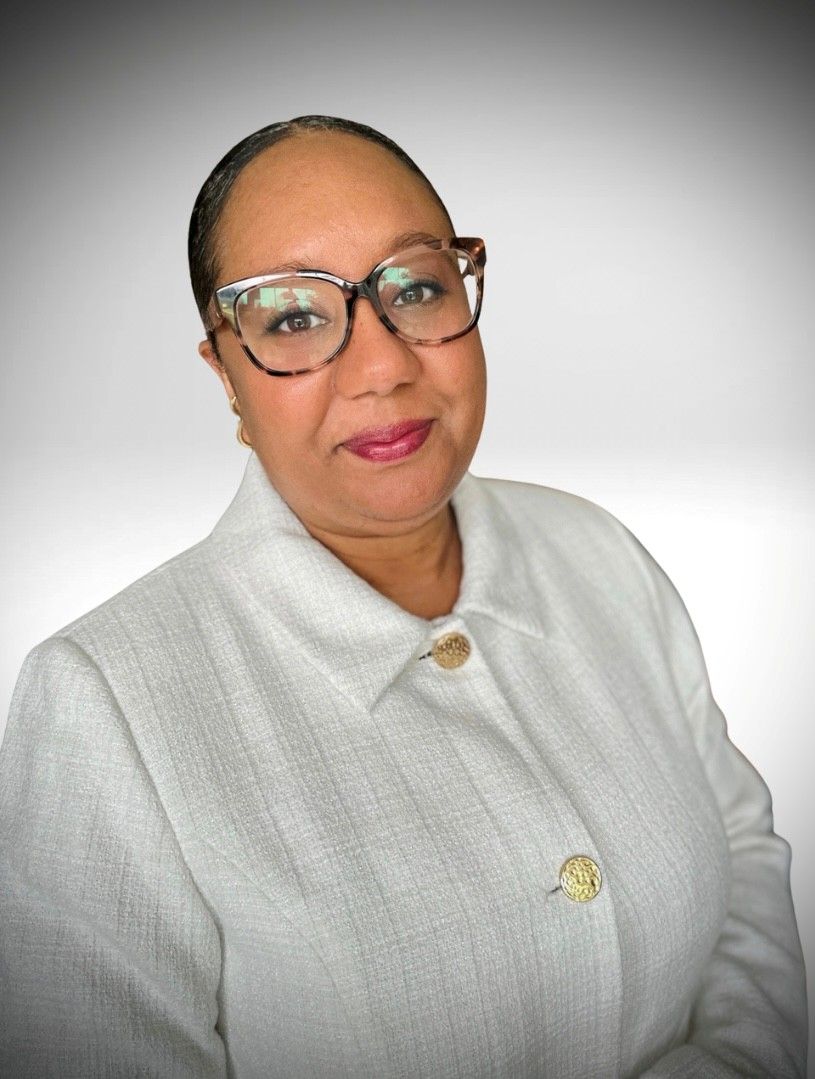
As digital evidence grows in volume and complexity, digital forensic teams are increasingly exposed to indecent and traumatic material, placing them on the psychological frontline of public safety. This hidden burden carries risks of secondary trauma, compassion fatigue and burnout, yet the wellbeing of these specialists is often overlooked compared to that of traditional first responders.
This SYTECH case study showcases a proactive approach to supporting staff in high-security, high-pressure digital forensics environments. It highlights initiatives such as enhanced sick pay, structured wellbeing programmes, access to psychological support and embedding wellbeing as a cultural priority rather than a procedural requirement. Early outcomes include stronger engagement, greater openness around mental health and improved morale and retention.
For the BAPCO audience, the session offers practical, transferable lessons: understanding the unique pressures of digital forensics, designing effective wellbeing programmes for sensitive roles, and shifting from reactive to proactive support models. The implications for the critical communications sector are clear - safeguarding the mental health of those behind the screens is essential to sustaining resilience, performance and public trust.
-
ChairpersonSpeakers

-
So much has changed in a few short years:
- Live video can now be requested by Control room operators.
- EmergencySMS enables access for those unable to make voice calls.
- eCall automatically alerts emergency services to serious vehicle incidents.
- Personal SOS devices can summon help for you when you can’t.
On the surface, it might appear that the future of emergency calls have already arrived, or at least the technology, with adoption catching up.
However, progress has typically focused on transforming the ‘caller’ experience, making it easier, faster, and more inclusive for the public to reach emergency services.
By refocusing on empowering call takers, we unlock a different set of opportunities:
- Reducing cognitive load,
- Improving situational awareness,
- Providing real‑time decision support,
- Call triaging and categorising,
- Automating data recording / processing,
Which could fundamentally change how emergency calls are handled.
The greatest challenges might be how much of this remains human lead, human-in-the-loop or fully automated (e.g. AI).
This session focuses on providing a high-level view, with a focus on how transformative technologies, such as AI, should be carefully assessed ahead of implementation activities.

-
This session shares the development of TapSOS - the UK’s government-accredited, non-verbal 999 solution designed for accessibility and inclusivity. It will show how WCAG-compliant design, user co-creation and accessibility principles enable vulnerable citizens to contact emergency services safely and reliably. Attendees will see how accessible design has been delivered in practice, the results achieved, and why accessibility must be a foundational element of NG999.
TapSOS demonstrates that non-verbal, inclusive design can be embedded seamlessly into emergency workflows, ensuring people who cannot use voice channels are not excluded. For the BAPCO audience, this case study offers practical lessons for future NG999 deployments and highlights why accessibility is essential for trust, equality and operational resilience.
Participants will gain:
- Clear insight into applying WCAG and inclusive design in public safety technology
- Practical guidance on integrating non-verbal reporting into PSAPs and control rooms
- An understanding of why accessibility is not just compliance, but critical to modern emergency communications.